Every patient is unique, and so is every smile. Our experienced team provides personalized treatment plans using advanced techniques and modern equipment.
Book ConsultationWhether you need preventive care, restorative treatment or cosmetic dentistry, our experienced team provides solutions tailored to your oral health needs.
Dental implants are a reliable, long-term solution for replacing missing teeth. They are designed to restore chewing function, appearance and confidence while providing a stable foundation for replacement teeth.
At J.V. Dental, implant treatment is planned individually after evaluating your teeth, gums, supporting bone and overall oral health.
Dental implants are planned only after a detailed clinical examination and, when required, appropriate radiographic evaluation to determine the most suitable treatment plan for you.
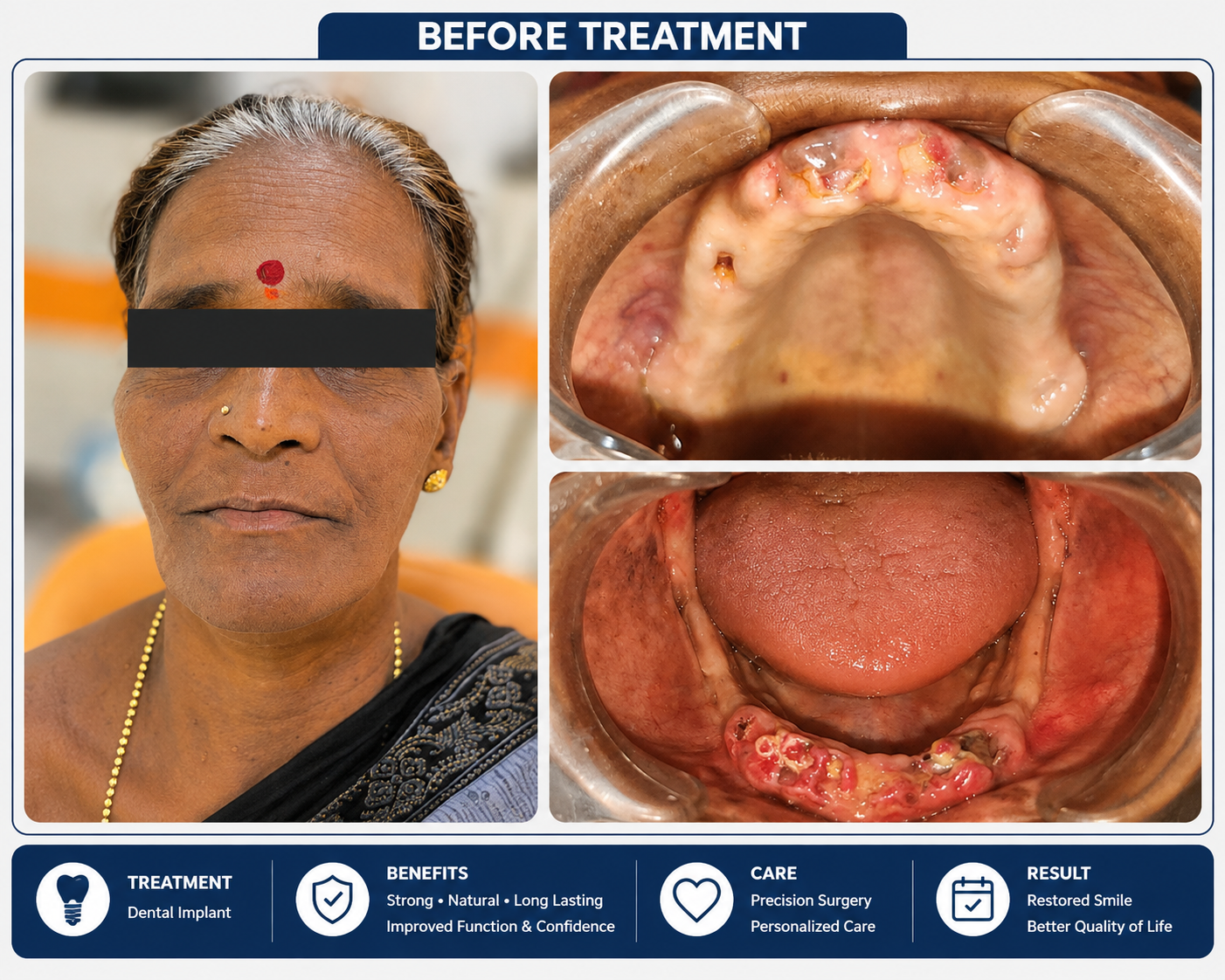
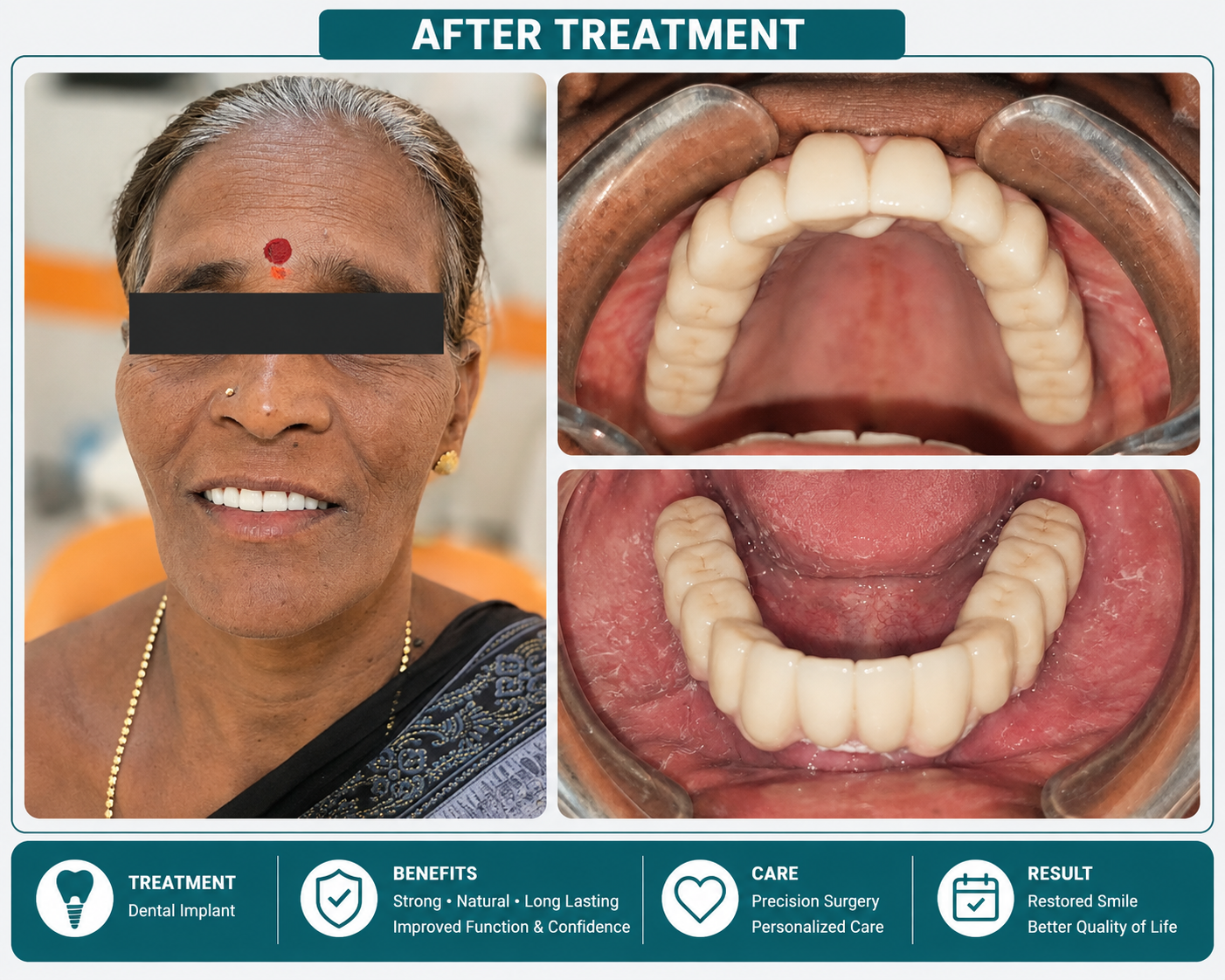
A clinical case demonstrating the transformation achieved with dental implant treatment.
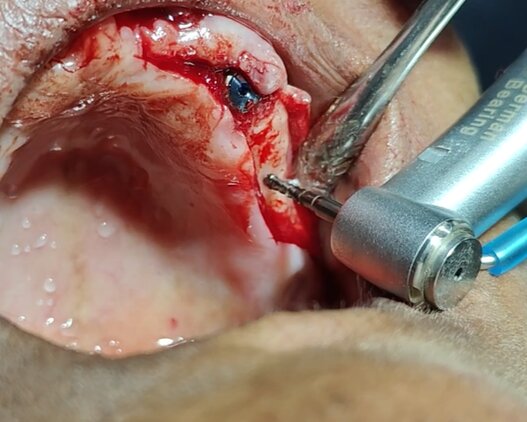
Watch a short glimpse of the surgical procedure and treatment process.
This video contains actual dental surgical footage.
Viewer discretion is advised.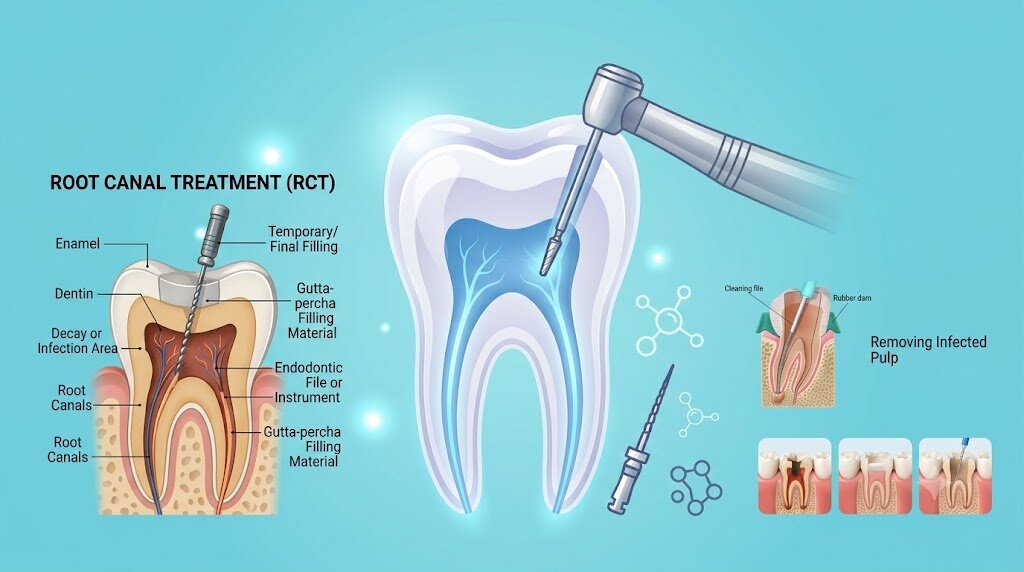
Root canal treatment helps save a damaged or infected tooth by removing the infected or inflamed pulp, cleaning the inside of the tooth and sealing it to prevent further infection.
At J.V. Dental, root canal treatment is planned according to the condition of the tooth, surrounding tissues and overall oral health. Our aim is to preserve the natural tooth whenever it can be safely restored.
Root canal treatment is considered when the pulp inside a tooth becomes infected or significantly inflamed. A clinical examination and appropriate diagnostic evaluation help determine the most suitable treatment.
Root canal treatment is a procedure used to treat infection or inflammation affecting the pulp inside a tooth. The treatment is designed to remove the affected tissue, clean the root canal system and seal the tooth.
Root canal treatment may be considered when the pulp of a tooth has become infected or irreversibly inflamed. This can occur because of deep decay, cracks, trauma or other damage to the tooth.
Depending on the condition of the tooth, patients may experience toothache, sensitivity to hot or cold, pain while biting or chewing, swelling or discomfort around the affected tooth. Some infected teeth may not produce noticeable symptoms.
Treatment generally involves accessing the inside of the tooth, removing the infected or inflamed pulp, carefully cleaning and shaping the root canals and sealing them. The tooth may then require an appropriate final restoration to protect it and restore its function.
One of the main purposes of root canal treatment is to preserve a natural tooth that might otherwise require extraction. Whether a tooth can be saved depends on its remaining structure, supporting tissues and overall condition.
Modern dental techniques and appropriate local anaesthesia are used to make treatment as comfortable as possible. The experience can vary depending on the condition of the tooth and the individual patient.
After treatment, the tooth may require a suitable restoration depending on the amount of remaining tooth structure. Your dentist will recommend the appropriate restoration and explain the necessary follow-up care.
Every tooth and every patient is different. A detailed clinical examination is necessary to determine whether root canal treatment is suitable and to discuss the available treatment options.

Smile designing is a personalised approach to improving the appearance of your smile by considering the shape, size, colour and alignment of the teeth along with the overall appearance of the face.
At J.V. Dental, smile enhancement is planned according to your individual dental condition, aesthetic goals and overall oral health. The treatment approach may involve one or more cosmetic or restorative procedures depending on your needs.
Smile designing is not a single treatment. The appropriate approach depends on the condition of your teeth and gums, your bite and your desired aesthetic outcome. A clinical evaluation is important before planning treatment.
Smile designing involves evaluating different aspects of a person's smile and developing an individualised treatment plan to improve its appearance while maintaining appropriate dental function and oral health.
Depending on the individual case, factors such as tooth shape, tooth size, tooth colour, alignment, spacing, gum appearance and the relationship between the teeth may be considered during treatment planning.
Smile designing may be considered by people who are unhappy with aspects of their smile, such as the appearance of their teeth, spacing, shape, colour or alignment. The suitability of cosmetic treatment depends on the individual's dental condition.
Depending on the requirements of the patient, smile enhancement may involve procedures such as professional tooth whitening, tooth-coloured restorations, veneers, orthodontic treatment or other restorative and cosmetic procedures.
No. Every smile is different. Treatment planning should take into consideration the patient's teeth, gums, bite, facial features, oral health and individual expectations.
Cosmetic treatment should be planned only after assessing the underlying oral health. Existing problems such as tooth decay, gum disease or other dental conditions may need to be addressed before cosmetic procedures are considered.
A consultation allows your dentist to assess your smile and discuss your concerns and treatment expectations. Based on the examination, suitable options can be explained and an individualised treatment plan can be developed.
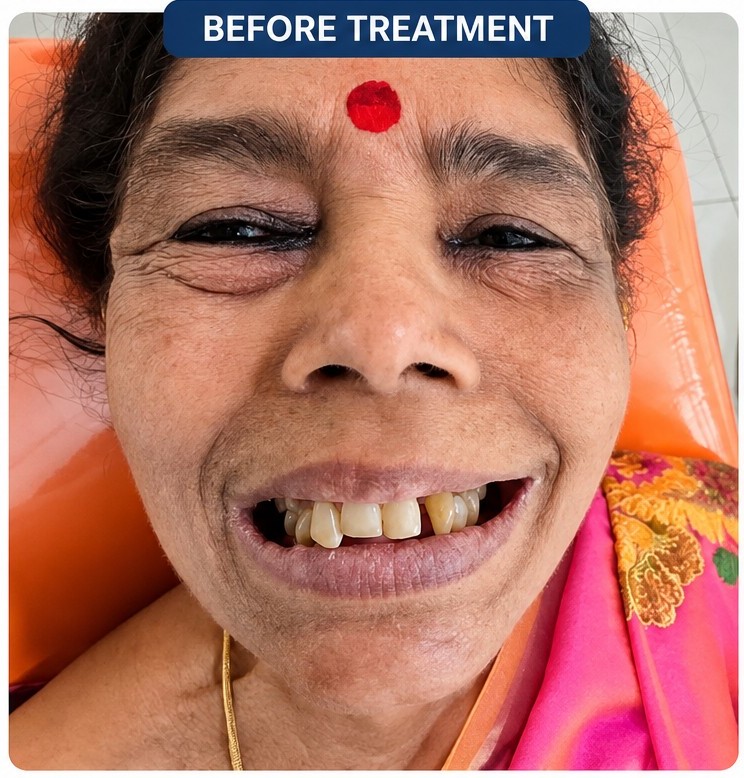
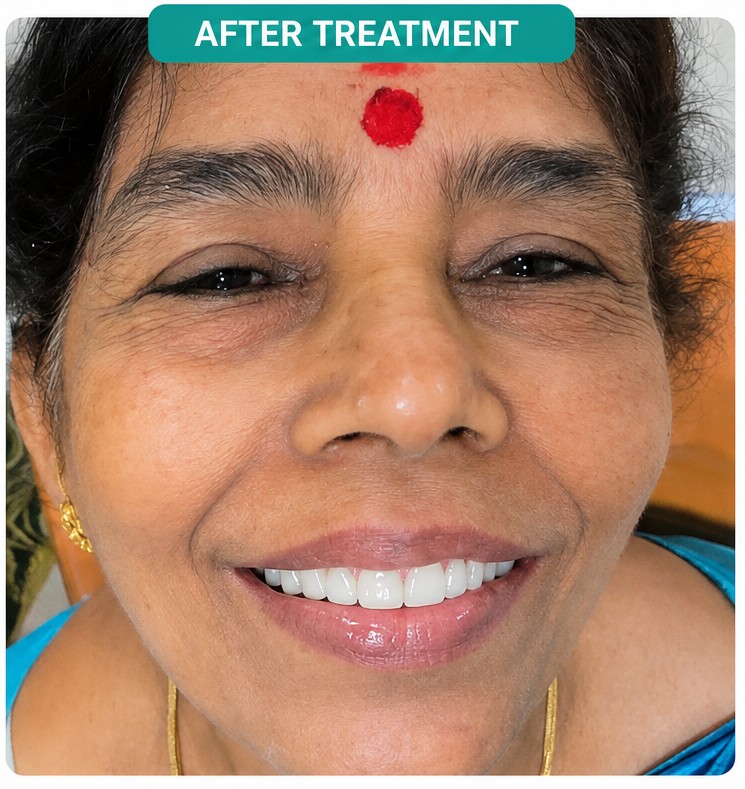
The patient was concerned about the appearance of the smile and the shape and appearance of the front teeth.
Treatment was planned according to the patient's dental condition and aesthetic requirements to improve the overall appearance of the smile.
The completed treatment resulted in an improved appearance of the smile and a more harmonious appearance of the front teeth.
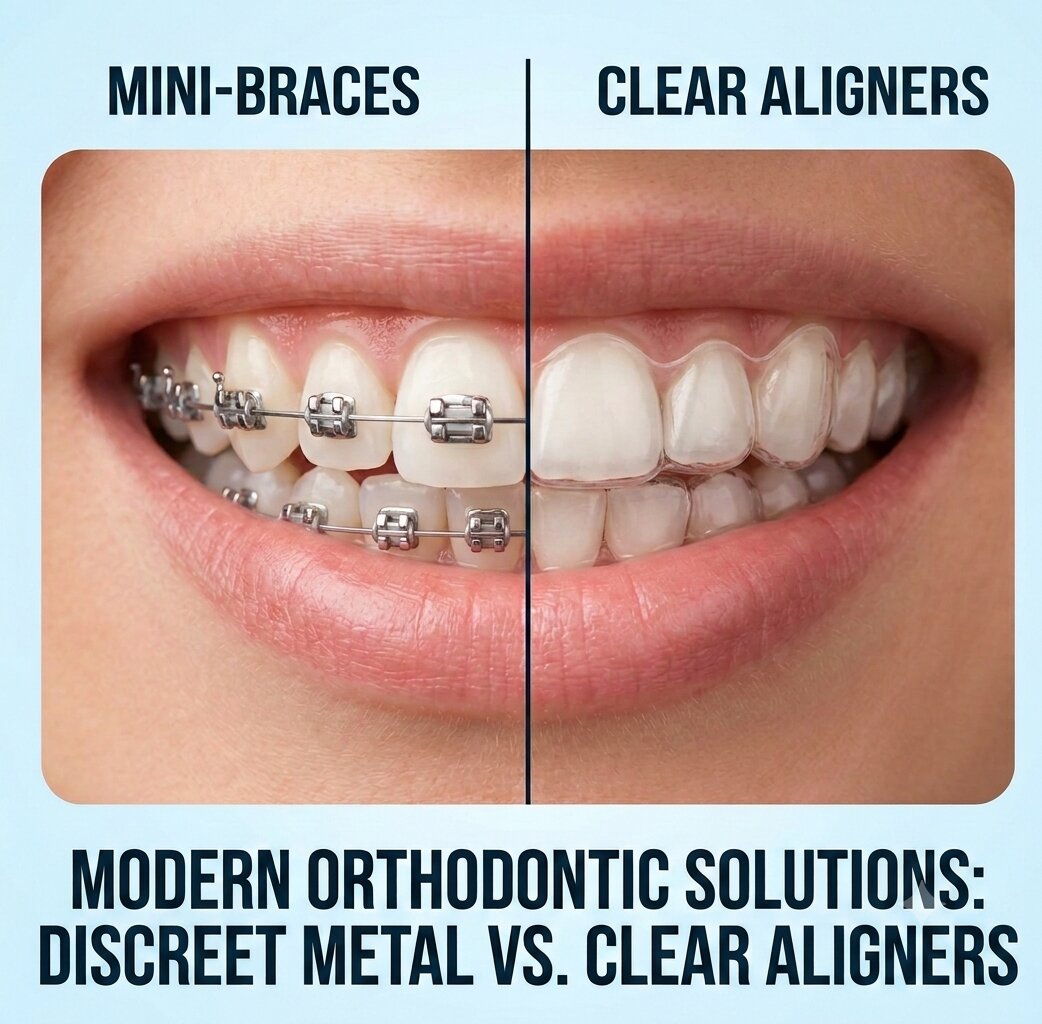
Orthodontic treatment helps improve the alignment of teeth and the relationship between the upper and lower jaws. Properly aligned teeth can contribute to better function, easier cleaning and an improved smile.
At J.V. Dental, orthodontic treatment is planned according to the patient's age, dental condition, bite and individual treatment requirements.
Orthodontic treatment is individualised. The type of appliance and expected treatment duration depend on factors such as tooth position, bite, growth and overall dental condition.
Orthodontic treatment involves using dental appliances to gradually guide teeth into more appropriate positions and, when required, improve the relationship between the upper and lower jaws.
Braces may be recommended for problems such as crowded teeth, spacing between teeth, rotated teeth or certain bite irregularities. The exact treatment approach depends on the individual's dental condition.
Braces apply controlled forces to the teeth over time. Regular adjustments and monitoring allow the dentist or orthodontist to guide the teeth progressively toward the planned positions.
Depending on the patient's requirements, orthodontic treatment may involve conventional braces or other suitable orthodontic appliances. The appropriate option is selected after a detailed examination and treatment planning.
Treatment duration varies considerably from patient to patient. It depends on the complexity of the case, the amount of tooth movement required, the patient's age and how consistently the recommended treatment instructions are followed.
Regular appointments allow the progress of treatment to be monitored and the orthodontic appliance to be adjusted when necessary. Maintaining these appointments is an important part of achieving the planned result.
After active orthodontic treatment, a retainer may be recommended to help maintain the corrected tooth positions. The type and duration of retention depend on the individual case.
A detailed dental and orthodontic evaluation is necessary before deciding on treatment. Your dentist can assess your teeth and bite, discuss the available options and develop an appropriate treatment plan for your needs.
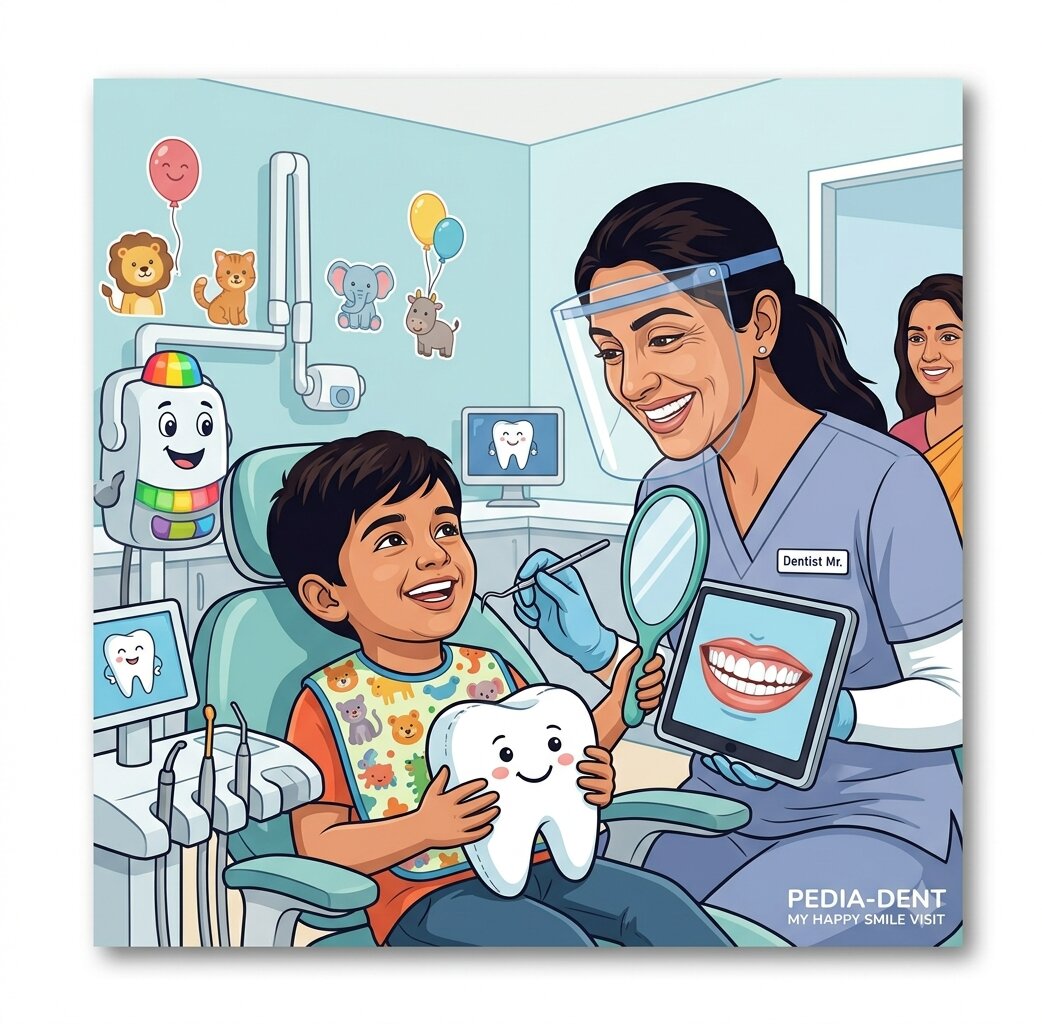
Pediatric dentistry focuses on maintaining healthy teeth and gums throughout childhood and helping children develop positive dental habits from an early age.
At J.V. Dental, dental care for children is planned according to their age, dental development and individual needs, with an emphasis on comfort, prevention and building confidence during dental visits.
Regular dental visits during childhood can help identify developing problems early and provide guidance on brushing, diet and other habits that support good oral health.
Pediatric dentistry involves dental care for infants, children and adolescents. It focuses on maintaining healthy teeth and gums while monitoring dental development as the child grows.
Regular dental visits allow developing teeth and gums to be examined and potential problems to be identified at an early stage. They also provide an opportunity to guide children and parents regarding appropriate oral hygiene and preventive care.
Children can benefit from dental assessment at an early age and regular follow-up visits as recommended by the dental team. The appropriate frequency depends on the child's oral health, age and individual needs.
Depending on the child's needs, dental care may include examination, preventive guidance, professional cleaning, fluoride-related preventive care, management of dental decay and monitoring of tooth and jaw development.
Good brushing habits, appropriate fluoride exposure, a balanced diet and limiting frequent sugary foods and drinks can help reduce the risk of dental decay. Regular dental examinations also help identify early signs of problems.
A positive dental experience during childhood can help children develop confidence about visiting the dentist. Our approach focuses on explaining procedures in an age-appropriate manner and creating a comfortable dental environment.
As children grow, their teeth and jaws undergo significant changes. Regular examinations can help monitor dental development and identify situations where further evaluation or treatment may be appropriate.
Parents should seek dental advice if a child experiences tooth pain, swelling, sensitivity, dental injury, difficulty chewing or any other unusual dental problem. Early assessment can help determine the appropriate course of care.
Every child has different dental needs. A consultation allows the dental team to assess your child's oral health and development and recommend appropriate preventive or treatment options.
Watch a short video showing our approach to laser-assisted dental treatment for children.
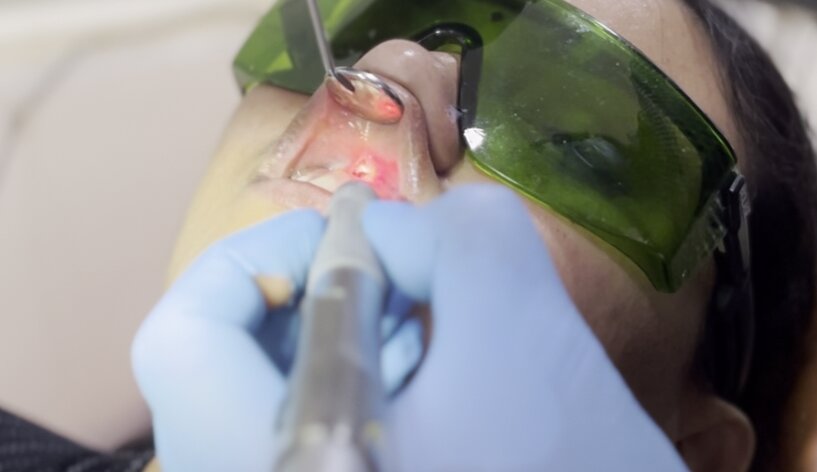
Dental lasers are used in selected dental procedures to assist with the treatment of certain soft-tissue and other clinical conditions. Laser technology can form part of a modern, carefully planned approach to dental care.
At J.V. Dental, laser technology is used where clinically appropriate and as part of an individualised treatment plan based on the patient's dental condition and treatment requirements.
Laser dentistry is not a replacement for every conventional dental procedure. The appropriate use of a dental laser depends on the patient's condition and the procedure being performed.
Laser dentistry uses focused light energy in selected dental procedures. Depending on the type of laser and the clinical situation, lasers may be used for specific soft-tissue procedures and other applications.
Depending on the equipment available and the clinical indication, dental lasers may be used in selected procedures involving the gums and other oral soft tissues. Your dentist will determine whether laser treatment is appropriate for your particular condition.
In appropriate cases, laser technology may form part of treatment involving the gums. The exact treatment approach depends on the type and severity of the condition and the overall treatment plan.
No. Laser technology is one of the tools available to a dental professional. Conventional instruments and techniques continue to have an important role in dentistry. The most suitable approach depends on the procedure and the individual patient's clinical needs.
Laser treatment is not automatically appropriate for every patient or every dental procedure. A clinical examination is necessary to determine whether laser technology can be beneficial in a particular situation.
In selected procedures, laser technology may provide useful benefits such as controlled treatment of targeted tissues. The actual benefits depend on the procedure being performed, the type of laser used and the patient's individual condition.
J.V. Dental is equipped with dental laser technology as part of its modern clinical facilities. Our dentists assess each patient individually and use available technology where it is clinically appropriate.
The best way to determine whether laser dentistry is appropriate is through a dental consultation. After examining your teeth, gums and overall oral health, your dentist can explain the available treatment options and whether laser technology may be suitable.
A short glimpse of laser-assisted dental treatment at J.V. Dental.
Explore selected treatment results from J.V. Dental. Every treatment is planned according to the individual needs and clinical condition of the patient.
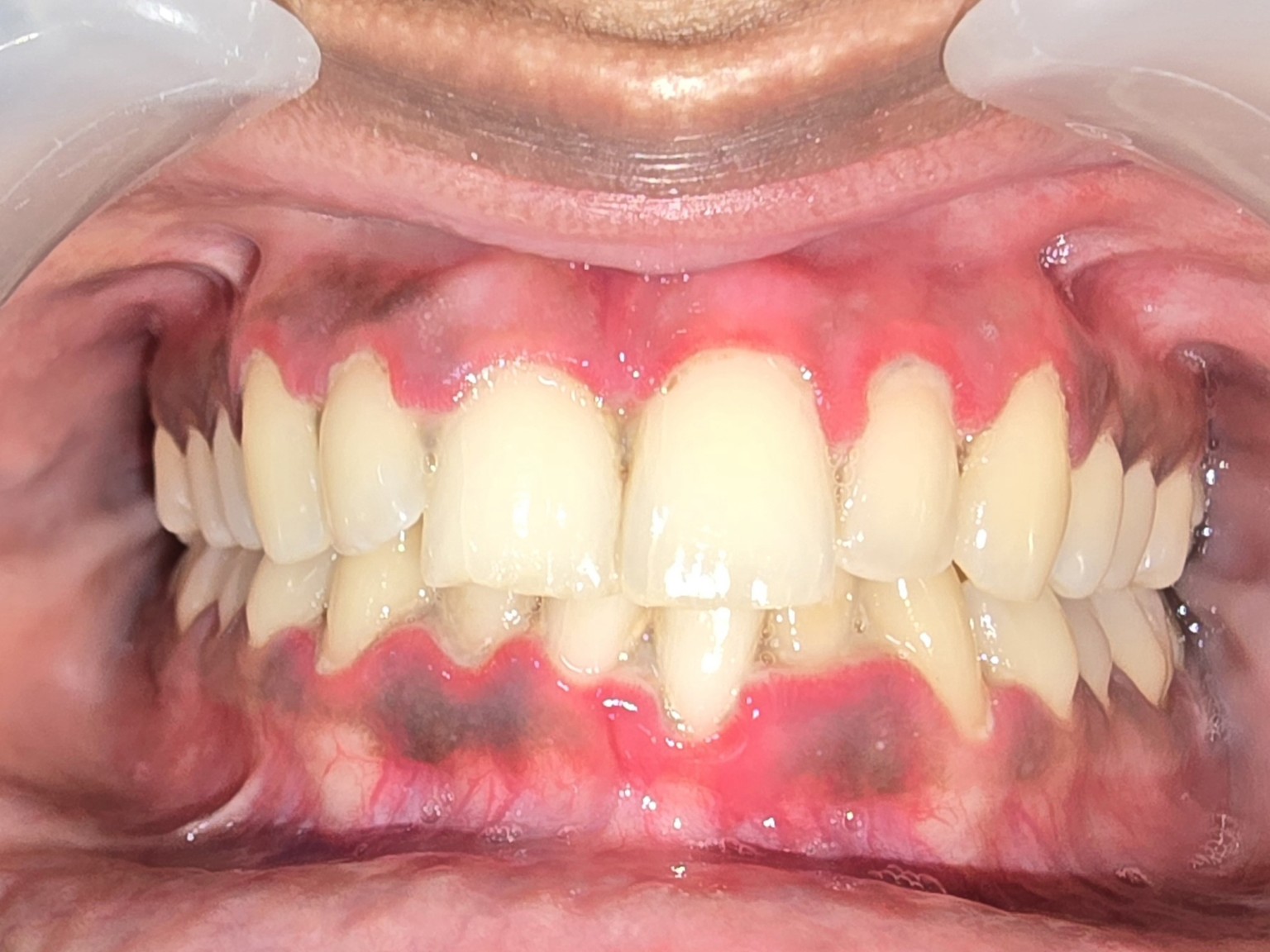
The gums were inflamed, swollen and bleeding due to infection and bacterial build-up. This can lead to discomfort, bad breath and gum disease.
Laser technology helps to remove bacteria, reduce infection and promote healing with a minimally invasive approach.
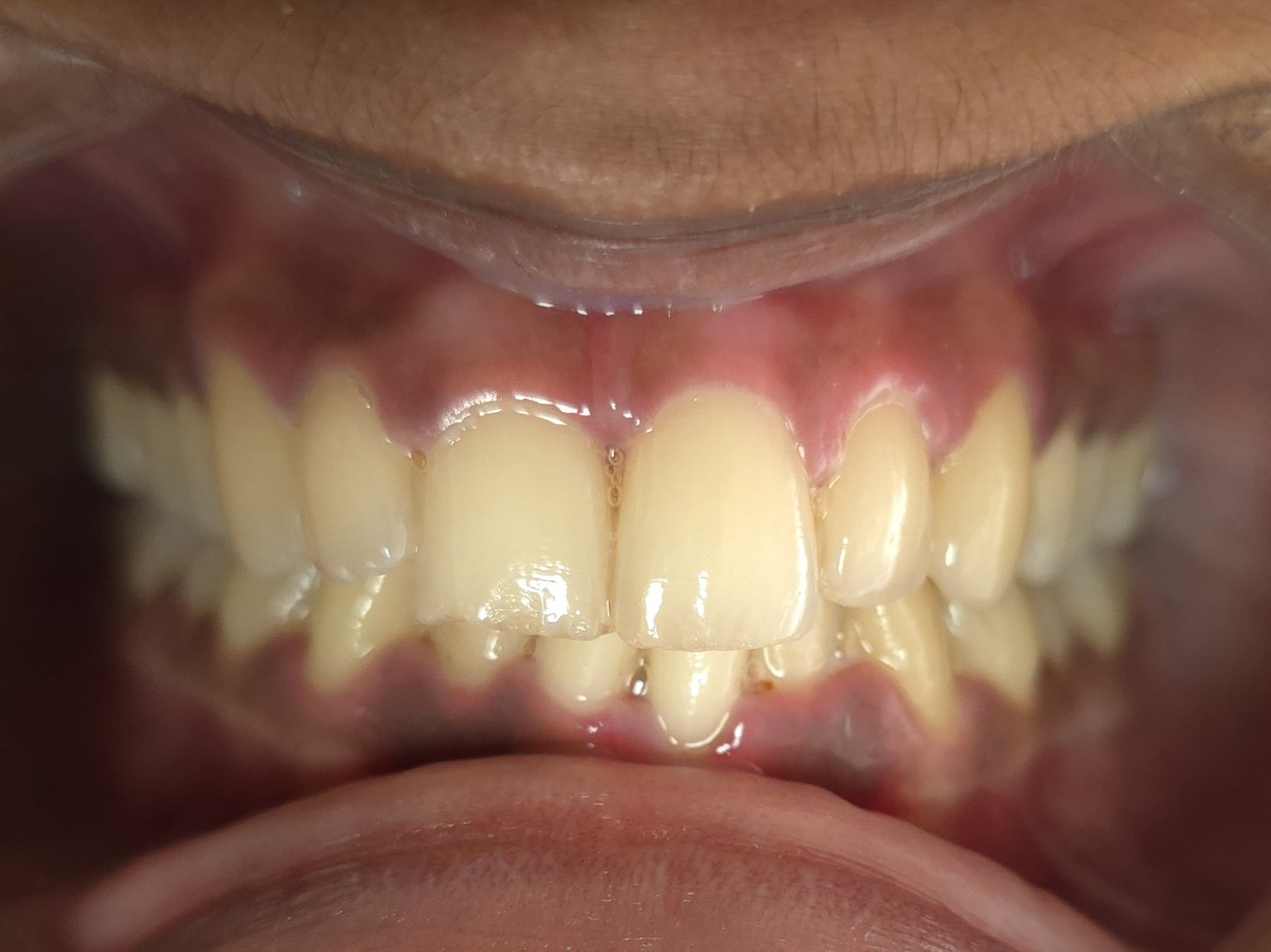
The gums are visibly healthier, less inflamed and firmer. This helps support better gum health and maintain a healthier smile.
We combine experience, advanced technology and compassionate care to provide high-quality dental treatment for patients of all ages.
15+ years of clinical experience with personalized treatment planning.
Laser, Piezotome, Physiodispenser and modern diagnostic equipment.
Strict sterilization protocols to maintain the highest standards of patient safety.
Serving patients in Hyderabad and Visakhapatnam with the same commitment to quality care.
From your first consultation to follow-up care, we focus on providing a comfortable, transparent and personalized dental experience.
We listen to your concerns, examine your oral health and understand your treatment goals.
Clinical examination and, when required, digital X-rays help us make an accurate diagnosis.
We explain your treatment options, answer your questions and create a personalized plan.
Your treatment is performed using modern techniques with a focus on comfort and precision.
We provide guidance and follow-up support to help maintain your long-term oral health.
Here are answers to some of the questions our patients ask most often.
Modern root canal treatment is performed under local anaesthesia and is generally much more comfortable than many people expect.
With proper oral hygiene, regular dental check-ups and appropriate care, dental implants can provide a long-term solution.
Yes. Orthodontic treatment is suitable for adults as well as children. We'll recommend the most appropriate option after your consultation.
We generally recommend scheduling the first visit around the child's first birthday or within six months after the first tooth appears.
Booking an appointment helps us minimize waiting time and provide you with dedicated attention. If you have a dental emergency, please contact us as soon as possible.
Whether you need a routine dental check-up, dental implants, root canal treatment, braces, laser dentistry or a complete smile makeover, our experienced team is here to help.